
Building with old masonry bricks: why more homeowners are choosing them
Building a house is much more than stacking bricks. It is about creating a home with an appearance that suits who you are. That is why more and more people deliberately choose old masonry bricks. Not because new bricks cannot be beautiful, but because antique bricks offer something no new facing brick can match: character, history, and lived-in authenticity. In this blog, you can read why building with old masonry bricks has become so popular, which benefits these materials offer, and how to choose the right bricks for your home.
Why choose old masonry bricks?
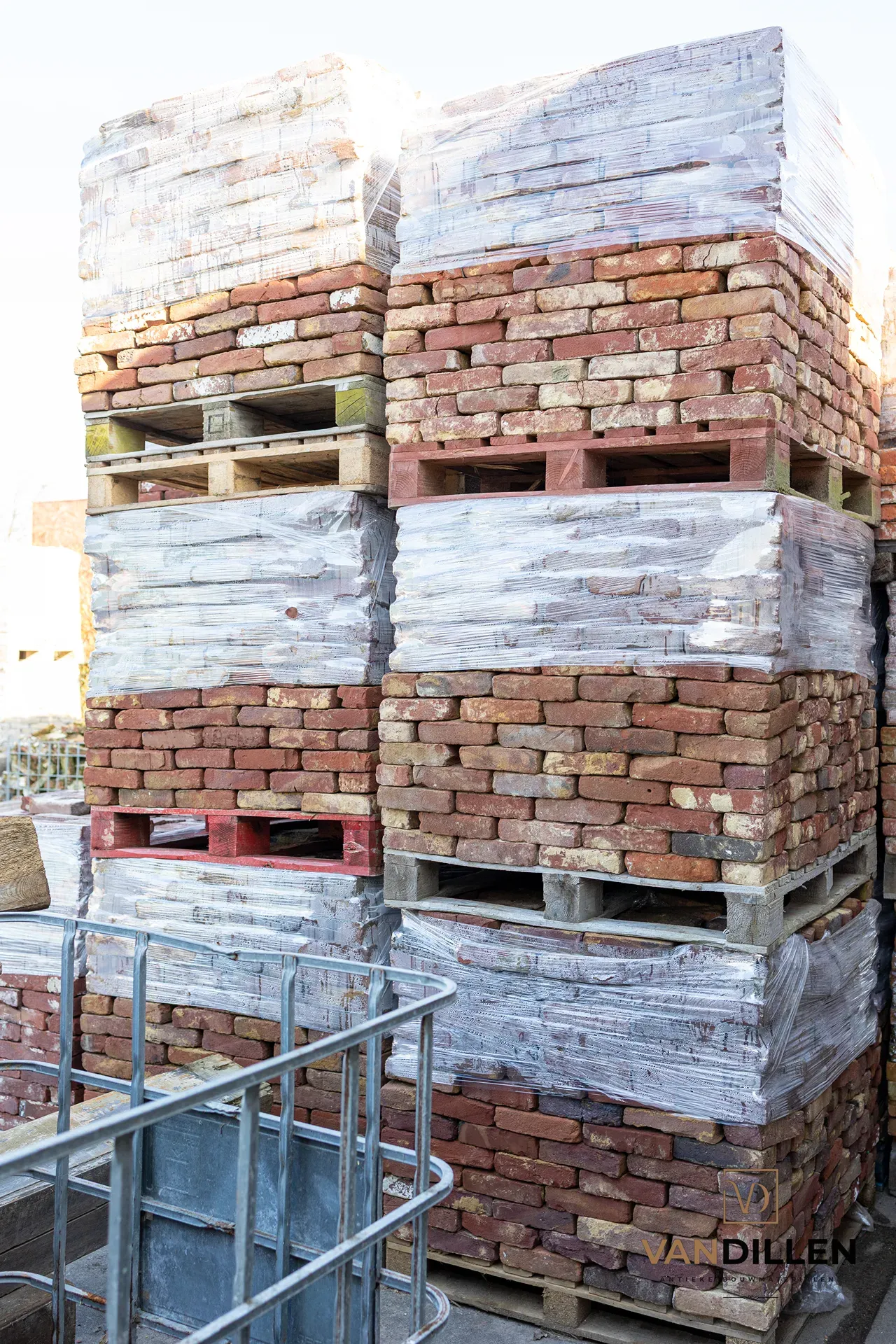
The main reason to build a house with antique masonry bricks is that the home immediately gains a unique, authentic, and beautiful appearance. New bricks are uniform, smooth, and tight; old masonry bricks have a lively surface with variations in shape, color, and texture. That gives a house personality and a timeless character. The bricks also carry a story and a soul, which becomes visible in the finished project. New-build projects can sometimes feel strict and impersonal, while antique masonry bricks soften a new home. In a historic building, reused bricks can bring the classical character back to life.
Sustainability also plays an increasingly important role. Producing new masonry bricks requires raw materials and energy-intensive machinery. Reused bricks avoid those consequences: by choosing reclaimed bricks, you help reduce CO2 emissions and save raw materials. Old masonry bricks are a practical way to build sustainably without compromising on appearance or quality.
The benefits of building with old masonry bricks
Using antique masonry bricks has several advantages:
-
Authentic charm
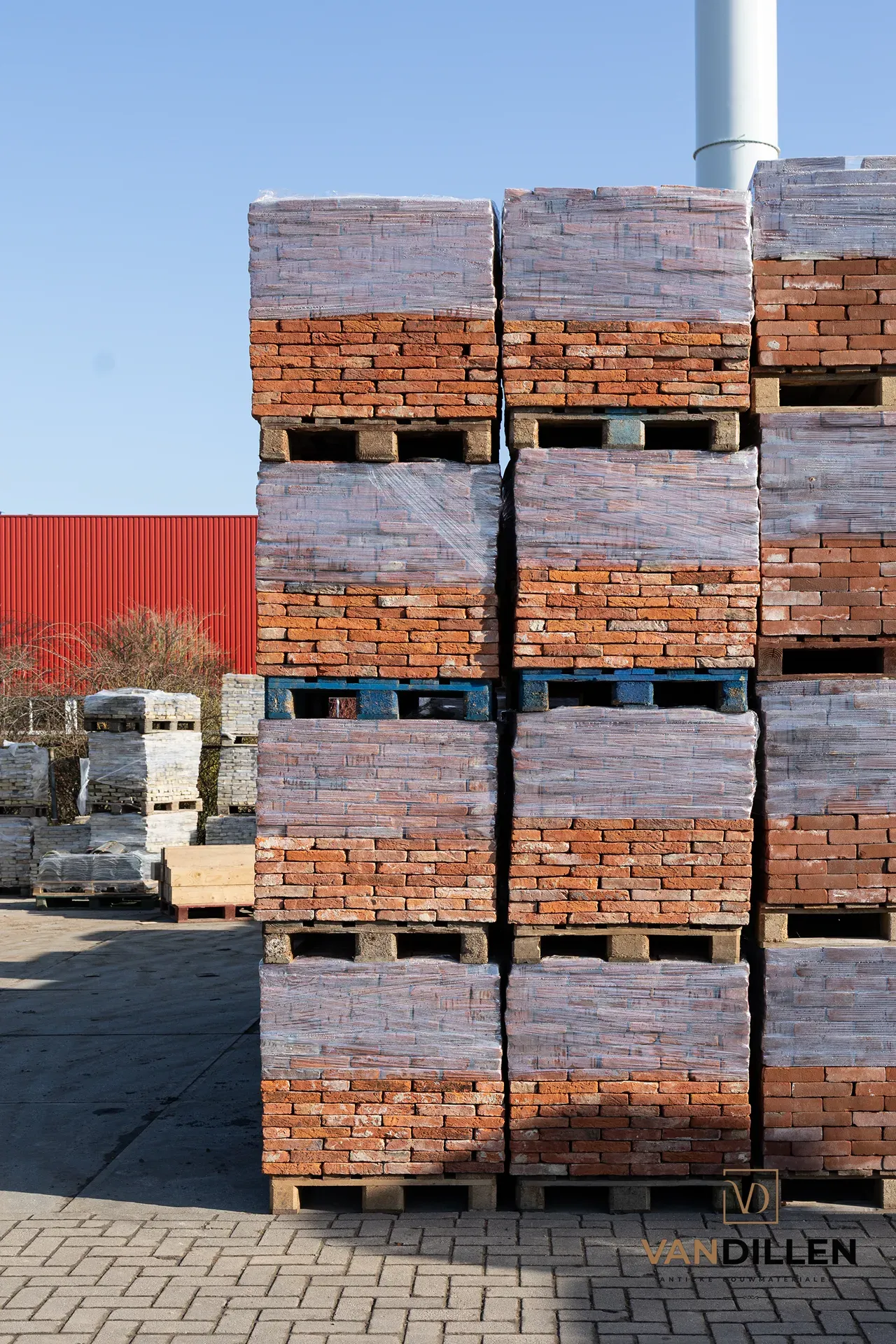
Every brick tells a story. The color differences, small chips, and subtle irregularities built up over years of use create a facade that feels alive. This natural patina cannot be reproduced in factory-made new bricks. -
Sustainable and environmentally friendly
Old masonry bricks do not need to be produced again. That saves energy, raw materials, and emissions. By encouraging reuse, you actively contribute to circular construction. -
High quality
Historic bricks were often fired by hand from high-quality clay. Many have already endured hundreds of years of weather and are still strong and frost-resistant. The bricks are also selected for quality.
How old masonry bricks get their unique properties
The charm of antique masonry bricks does not appear by chance. It is a combination of craft, use, and time:
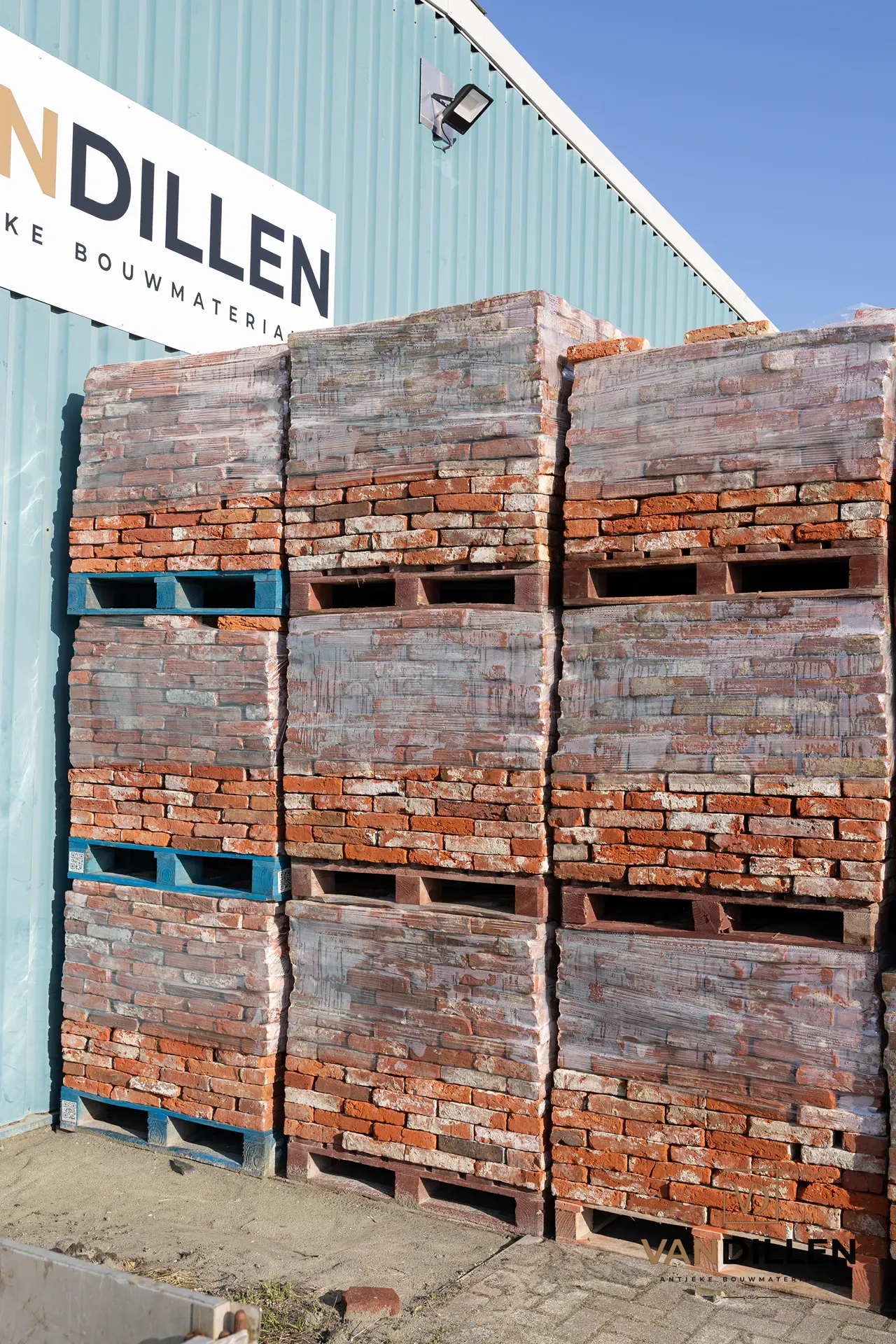
- Traditional production: some bricks were shaped by hand and fired in field kilns. Others were made in moulds or by other methods that are no longer common, so they are never completely identical in shape or texture.
- Long-term exposure: years of rain, sun, wind, and frost helped create natural color nuances.
- Wear from use: bricks from farmhouses, churches, and old buildings carry traces of generations. Small chips, discoloration, and imperfections give them unique character. This also means the dimensions can vary and that, with a double visible side, not every corner and stretcher can always be guaranteed to be perfect.
- Natural ageing: minerals in the clay and oxidation processes create a warm, lived-in patina.
Together, these elements give old masonry bricks the unique character that makes them so popular for facades and interior walls.
Step-by-step plan: choosing the right masonry bricks for your building project
At Van Dillen Antique Building Materials, we notice that many customers find it difficult to choose the right bricks for their house. This practical plan will help you:
**Step 1: Decide on the desired look
**Do you want a light facade with Frisian yellow bricks, or a darker, robust wall with old handmade bricks? Think about color, format, and appearance.
**Step 2: View the bricks in person
**Old bricks can differ strongly from batch to batch. You are more than welcome to view them in Bolsward. We do not have a formal showroom, but you can view, feel, and compare the bricks, which gives the best impression of texture and color nuances. You can also take a look behind the scenes.
**Step 3: Determine the quantity
**Calculate exactly how many bricks you need for your building project. This helps prevent both large shortages and large surplus batches.
**Step 4: Ask for processing advice
**Old bricks sometimes require a different approach than new ones. We are happy to give tips on the right jointing, laying patterns, and mortar choice. We can also explain which masonry bonds suit each type of brick.
**Step 5: Plan the transport
**Bricks are heavy, sometimes fragile, and require professional transport. We make sure the materials are delivered safely and on time, wherever you live.
Conclusion: a house with character starts with old masonry bricks
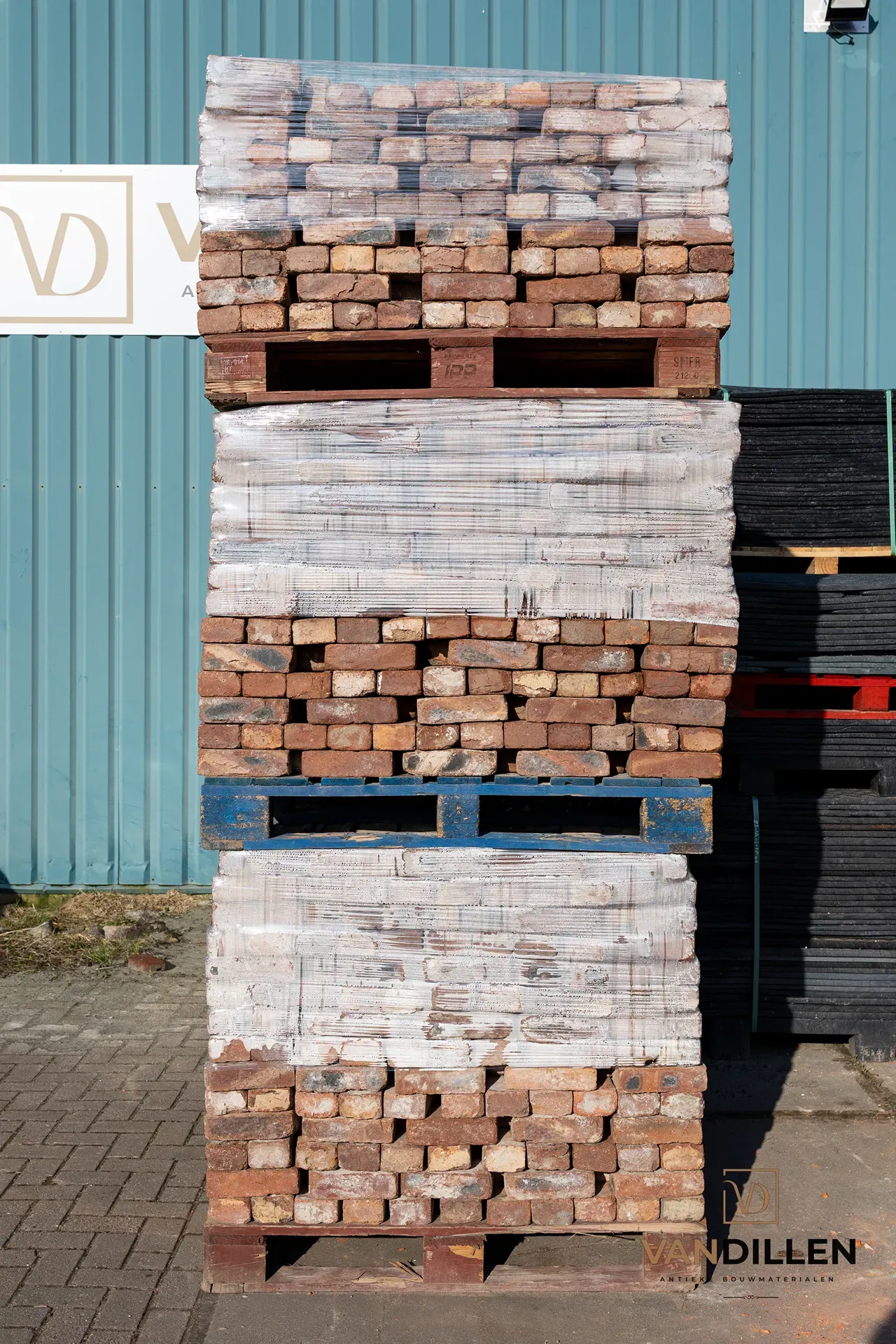
Building with old masonry bricks is an investment in beauty, sustainability, and authenticity. In some cases it can also be cheaper to order reused materials. It is the choice for a facade that is not merely functional, but also tells a story and adds charm. With their timeless appearance and unique patina, antique bricks give your home a character that no new brick can match.