
Moisture in the walls of an old house: causes and solutions
Moisture in the walls of an old house is a common issue because historic building materials deal with water differently from modern construction. Many owners of characterful buildings worry when they discover damp patches, but not every moisture issue is immediately a problem.
How does moisture occur in the walls of an old house?
Moisture enters old walls in different ways. Often the cause is not old masonry bricks themselves, but other factors. Rising damp comes from the ground and moves upward through poorly maintained bricks and joints. Many old houses lack damp-proof courses, or those layers have subsided or cracked over the decades. Groundwater then has free passage and can sometimes climb up to a meter and a half in the wall.
Moisture can also penetrate during rain. In extreme rainfall or in walls that have not been maintained for years, water can seep inside through cracks and damaged joints. The freeze-thaw cycle worsens this process: water that freezes in small cracks expands and makes the openings larger.
The final option is condensation. This is not caused by leakage, but by moist indoor air settling on cold walls. It is most common in poorly ventilated rooms or in homes that have been insulated without proper ventilation. In historic buildings made with breathable materials, this problem often appears only after modern interventions.
Why do old walls often have moisture problems?
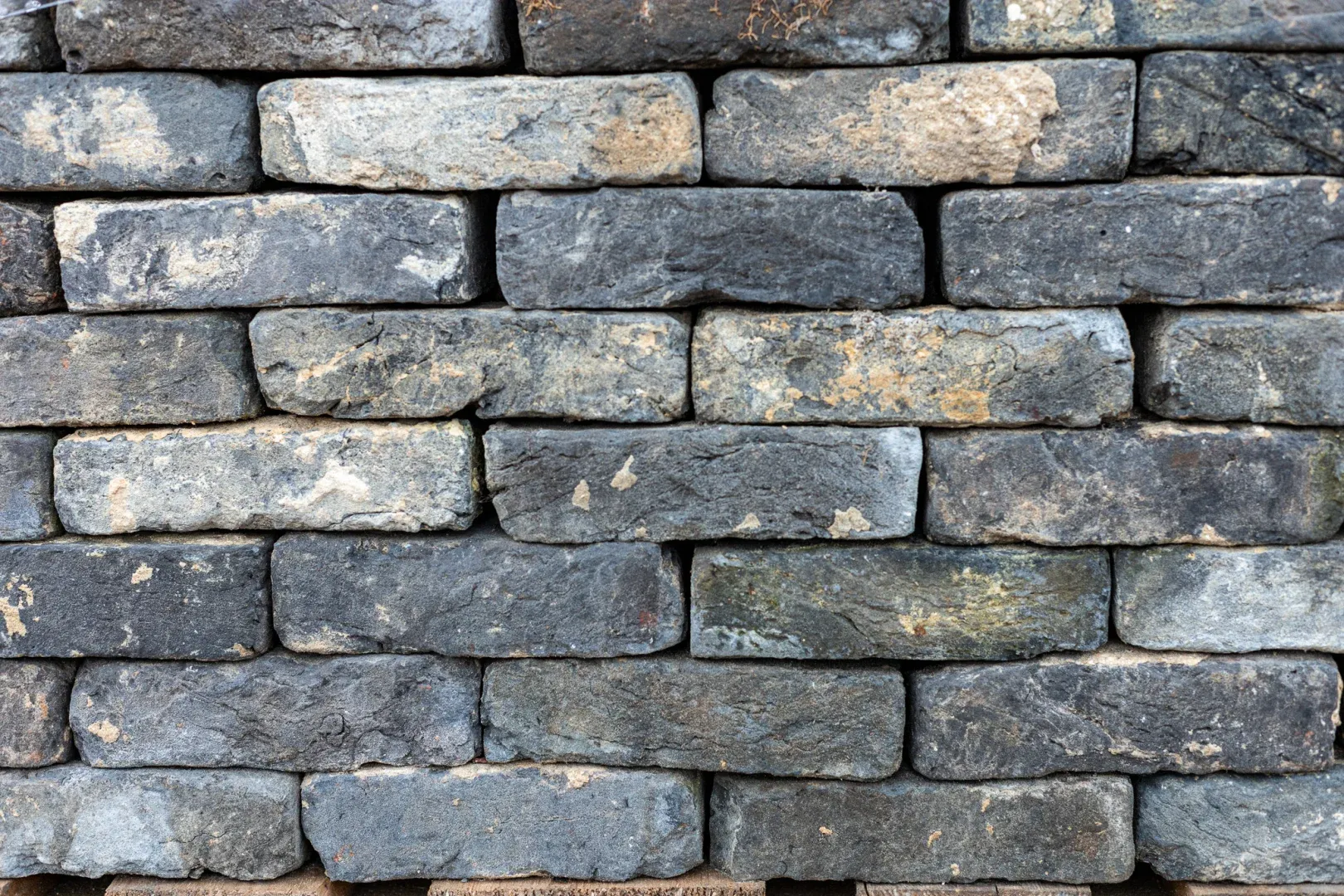
Traditional construction differs fundamentally from modern new-build construction. Until well into the twentieth century, houses were built without plastic membranes, bituminous layers, or chemical damp barriers. Builders deliberately chose materials that could absorb and release moisture: lime mortar, handmade brick, clay plaster. These materials breathe with the seasons and create a natural balance.
Many moisture problems occur because that balance has been disturbed. Cement joints replace original lime joints, preventing moisture from escaping. Plastic paint blocks the breathing capacity of old plaster layers. Subsiding foundations or changed groundwater levels alter the moisture balance. Poor maintenance also plays a role: clogged gutters and broken water ledges can send rainwater where it does not belong.
More importantly, old walls simply have a different moisture content than modern cavity walls. What is now considered “too damp” used to be a normal working principle. Panic is rarely necessary unless there is acute damage.
When is moisture in old walls a problem, and when is it not?
Not every moisture sign in a wall is a problem. Light damp patches on masonry in a cellar or on a north-facing facade can be completely normal, especially in wet periods. Old houses were built to live with the seasons. As long as the moisture recedes, the wall can dry, and there is no structural deterioration, there is little cause for concern.
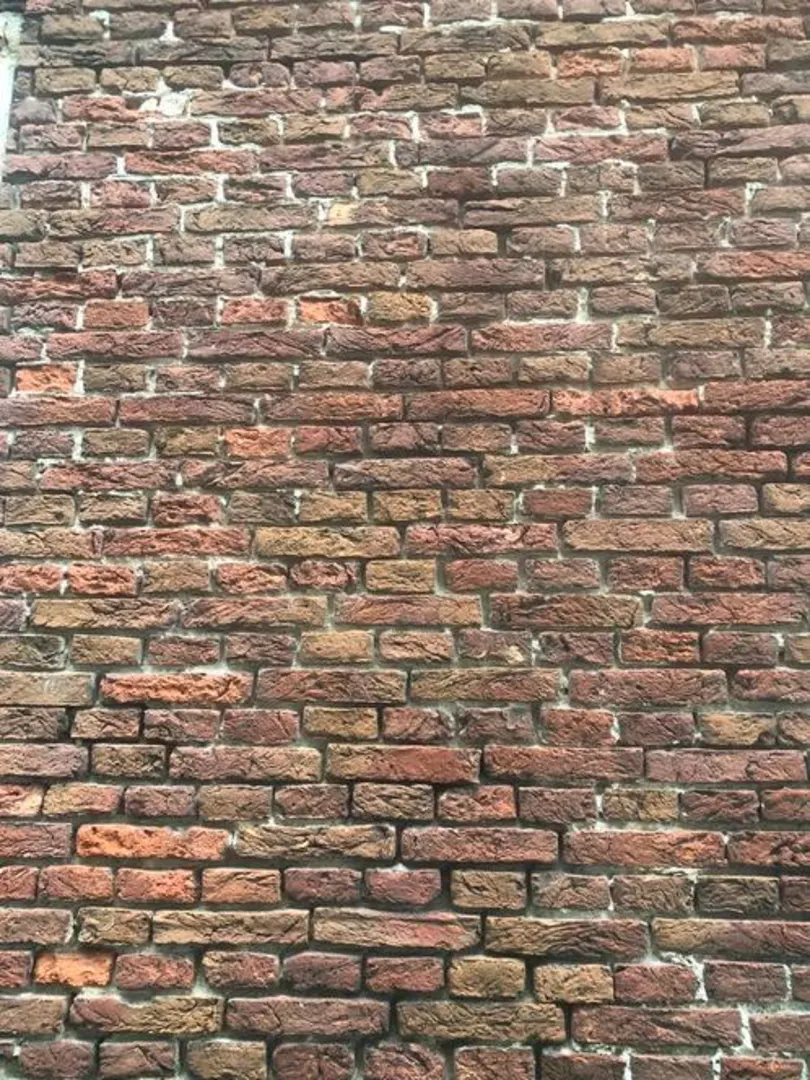
A problem arises when moisture remains and causes damage. Salt efflorescence is a warning sign: white crystals on the surface indicate ongoing moisture. Mold growth in living spaces is unhealthy and points to excessive humidity or poor ventilation. Crumbling bricks, sagging joints, or loose plaster are signs of serious moisture damage that can have structural consequences.
Pay close attention to modern adaptations. Interior insulation on an old facade can make moisture problems worse if the construction can no longer breathe. Before intervening, it is wise to understand how the building originally functioned and what causes the moisture.
What are the solutions for moisture problems in old masonry?
The right approach depends entirely on the cause. With rising damp, wall injection can help: a damp-proofing agent is injected into the lower brick layer to form a new water-resistant barrier. In more severely affected cases, a new membrane may need to be installed, which involves more invasive renovation. Both methods can be effective, but they require craftsmanship and an understanding of the substrate.
Penetrating damp is best handled by repairing and protecting the facade. This is often done by impregnating the facade. This water-repellent treatment protects the facade without blocking its breathable function. Make sure you choose products suitable for historic masonry.
Condensation requires ventilation. Mechanical extraction in kitchens and bathrooms, window vents, or balanced ventilation can already make a big difference. Prevent moist air from accumulating in hard-to-reach areas such as behind cabinets or in corners. With heavy insulation, an integrated ventilation strategy is necessary.
In all cases, respect the historic construction method where possible. Use materials that suit the character of the property: lime mortar instead of cement, breathable paints, and natural insulation materials. This preserves not only authenticity, but also the healthy moisture balance of the home.