
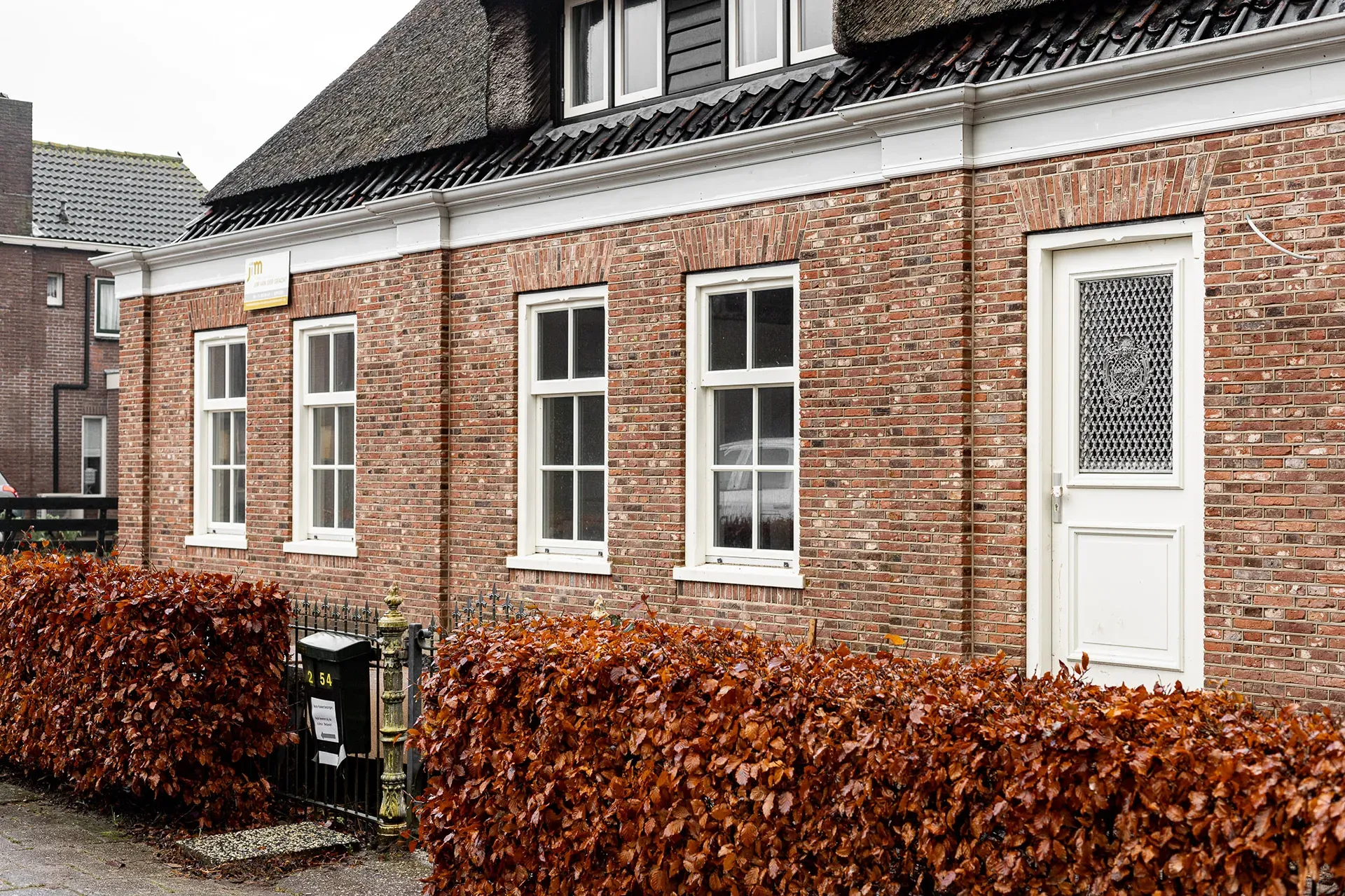
Which brick suits my home?
Which brick suits your home? Discover reclaimed bricks for 1930s houses, country homes, Frisian houses, modern homes and other styles.
Which brick suits my home?
The right brick has a major influence on the impression a home makes. Size, colour, surface, pointing and brick bond can make a facade look classic, rural, refined, robust or distinctly modern.
With reclaimed masonry bricks, the choice is especially broad because every batch has its own origins and natural variation.
Bricks for a 1930s home
Houses from the 1920s and 1930s feature bricks in varied shades of red, purple and brown, among other colours. Moulded bricks are often worth considering when a slightly more regular historical facade is desired.
Browse our reclaimed moulded bricks and the dedicated page about 1930s masonry bricks on our website.
Bricks for a farmhouse or country home
A country home can benefit greatly from irregular handmade bricks. Warm red, orange, brown or mixed-colour batches combine well with timber, thatch and traditional detailing.
Bricks for a Frisian home
Frisian yellow bricks are an obvious choice for historical buildings in Friesland, but are also used in new homes. Their natural yellow, cream, orange and sometimes pink shades create a lively facade.
Bricks for a finely detailed historical facade
IJssel bricks are relatively small, creating a fine rhythm with many bricks and joints per square metre. This makes them suitable for restoration, garden walls and distinctive new builds.
Bricks for a robust northern Dutch appearance
Groningen bricks are often larger and can give a facade a stronger presence. This group includes smooth and handmade batches, as well as large historical sizes.
Which bricks suit a modern new build?
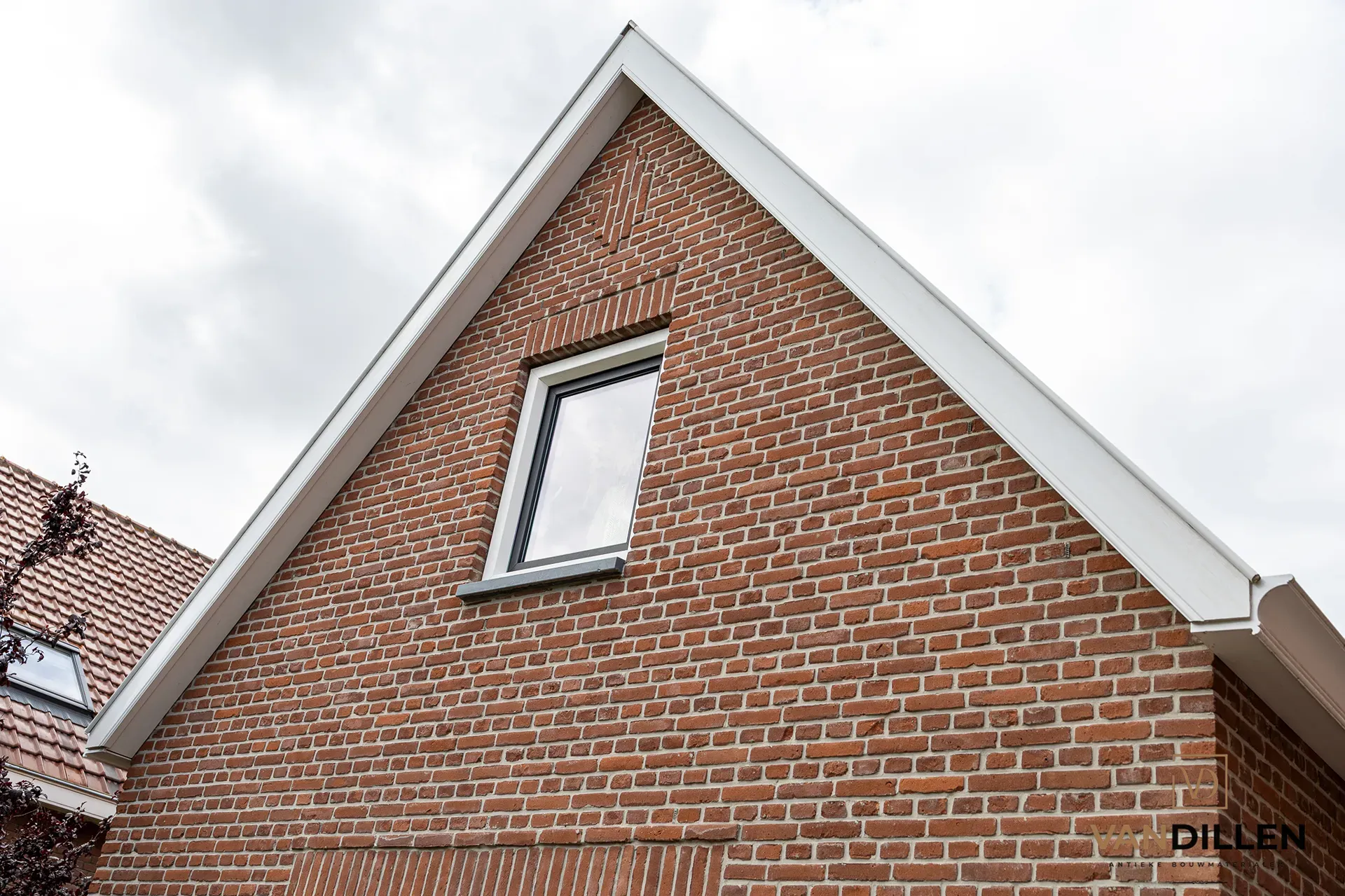
Old bricks are not only for traditional architecture. In a modern new build, the contrast between a weathered brick, large glazed areas and clean-lined frames can be particularly striking.
Read about building with reclaimed masonry bricks and browse our projects to see different combinations.
Colour is not the only consideration
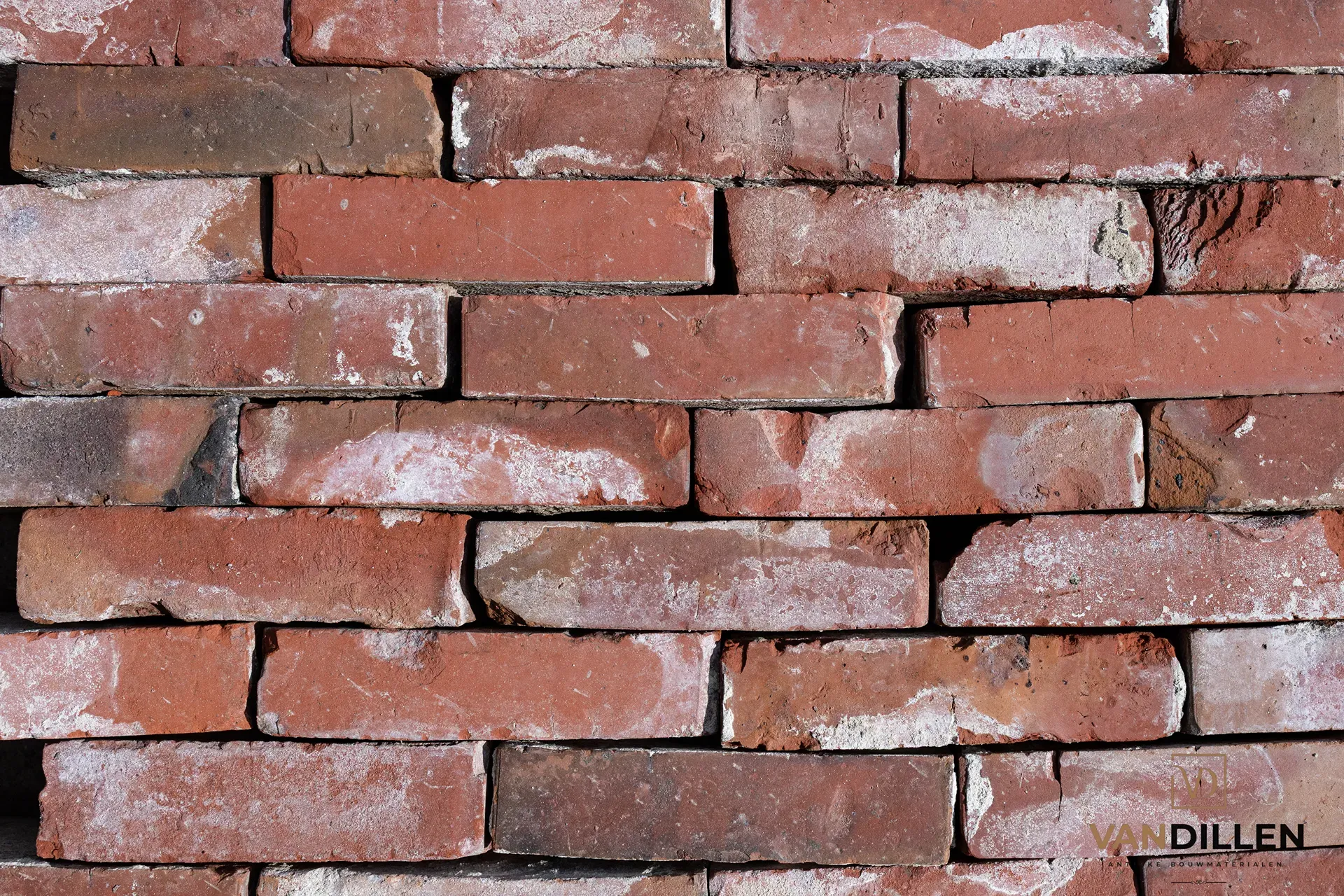
Two bricks with the same main colour can look completely different once laid. Consider size, texture, sand facing, edges, colour variation and the proportions of headers and stretchers too.
The influence of size
Small bricks create a busier, finer rhythm; large bricks can look calmer and more robust. Our guide to brick dimensions covers Waal, Rijn, Vecht, IJssel and drieling formats, as well as large medieval kloostermoppen.
The influence of the brick bond and pointing
The brick bond and mortar colour also make a considerable difference. The same brick can appear much more contrasting with light pointing than with dark pointing.
Choosing handmade or moulded bricks
Handmade bricks work well where natural irregularity is desired. Moulded bricks generally offer a slightly more regular surface and dimensions. Neither is inherently better: the desired appearance of the facade determines the choice.
Choose a batch, not a single brick
Always assess several bricks together. Reclaimed batches rely on subtle variation. One brick may look too red, too yellow or too dark, while the complete selection creates exactly the facade you want.
Help with choosing
Start with our guide to types of old bricks, then browse the current reclaimed masonry brick collection. If you have photographs or a design, contact us to help narrow down the search for a suitable batch.
Frequently asked questions
Which brick colour makes a home timeless?
There is no universally timeless colour. A brick that suits the architecture, surroundings and detailing will generally retain its appeal longer than a choice based purely on trends.
Can an old brick suit a modern house?
Yes. The contrast between old material and modern architecture can create a distinctive, high-end facade.
Should I choose the brick or the design first?
Either approach can work. With a unique reclaimed batch, it can be sensible to adapt the design’s dimensions and detailing to the available bricks.