
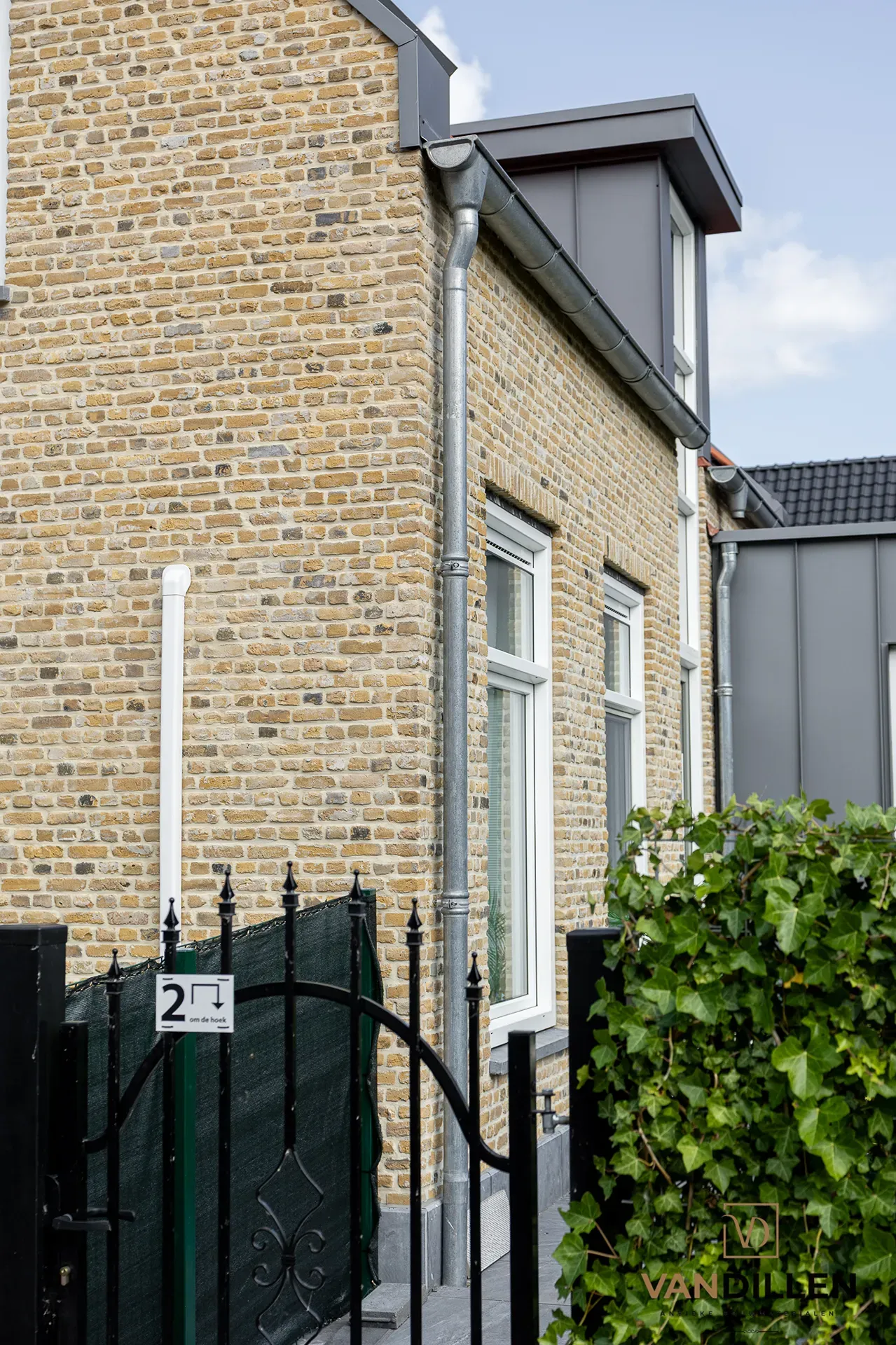
How to recognise an old brick
How can you recognise an old brick? Learn what to look for in its size, surface, patina, manufacturing method, colour, mortar residue and other features.
How to recognise an old brick
No single feature can reliably identify an old brick. Age, manufacturing method, size, surface, edges, colour and signs of use need to be considered together.
If you want to restore an existing facade or assess a batch of bricks, the following features can help you make an initial judgement.
1. Variations in shape and size
Many historical bricks are less consistent in size than modern industrially produced bricks. Old handmade bricks in particular can show small differences in length, height, width and edges.
This does not mean that every irregular brick is automatically old. New bricks can also be deliberately made to look rustic.
2. The surface and fired outer skin
Old bricks may have a natural fired skin, a sanded surface, small pits, creases or other traces of how they were made. Years of exposure can also soften or weather the surface.
3. Patina and signs of use
Traces of mortar, light wear, discolouration and signs of a previous application can point to reuse. Here too, however, no single feature is conclusive proof.
4. Historical sizes
Dimensions can provide an important clue. Old facades contain formats such as IJsselformaat, drielingformaat, Rijnformaat, Vechtformaat and Hilversums formaat, as well as the large medieval bricks known as kloostermoppen.
See the approximate measurements in our detailed guide to brick dimensions.
5. Handmade, moulded or machine-made
The manufacturing method tells you a lot about a brick’s appearance, but not necessarily its precise age. Handmade and moulded primarily describe how a brick was shaped.
Our guide to types of old bricks explains these differences in more detail.
6. Colour and variations from firing
Historical batches can contain strong natural variations caused by the clay, position in the kiln and firing process. Colour alone, however, can never reliably establish a brick’s age.
7. Mortar residue
Bricks reclaimed from old masonry often show traces of mortar. Before reuse, these residues are usually removed by cleaning the mortar off the bricks.
Can a new brick look old?
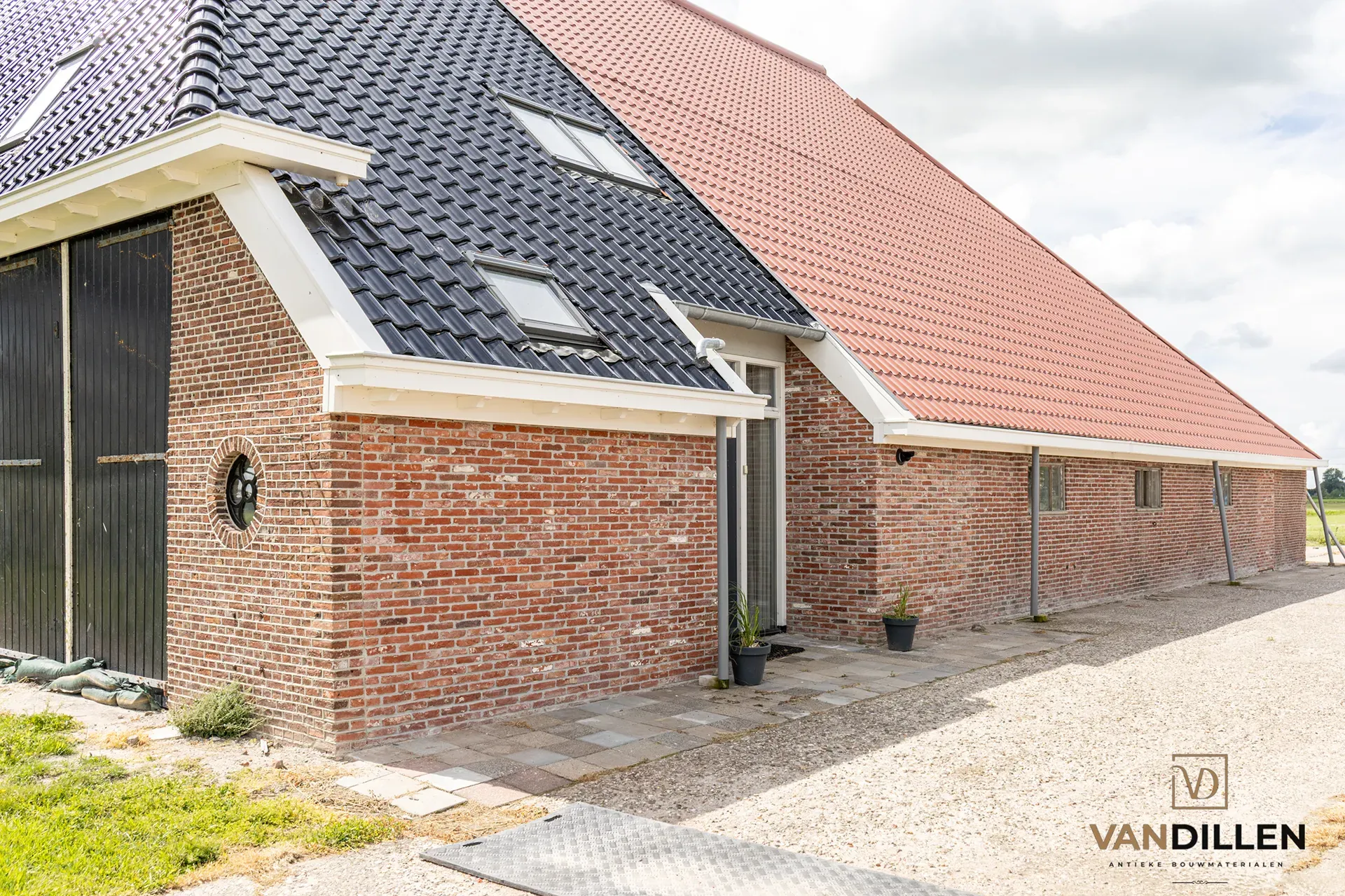
No. New facing bricks can be deliberately tumbled, varied in colour, sanded or made in irregular shapes. A new brick may therefore share the same visual features, but you will still be able to see that it is new.
What distinguishes genuinely old material is, above all, its actual provenance and natural history of use.
How do you determine a brick’s age?
Without information about its origins, a precise age is often difficult to establish. Size, manufacturing method, building type and historical context may suggest a period, but they are not always enough to identify an exact year.
Identifying an old brick for restoration
For restoration, you do not necessarily need to know the exact age. It is more important for a replacement batch to match the size, colour, surface and manufacturing method.
Compare our current range of reclaimed masonry bricks. Look specifically at IJssel bricks, Frisian yellow bricks or Groningen bricks if they resemble the existing brickwork.
Consider the whole facade
Take close-up photographs as well as pictures of the entire facade. The colour distribution, pointing, brick bond and course height often tell you more than a single loose brick.
Browse our projects to see different reclaimed batches after installation.
Frequently asked questions
Is every handmade brick old?
No. Handmade refers to the forming method or appearance. Facing bricks with a handmade appearance are still produced today.
Can a brick’s size tell you its age?
Size can provide a clue, but it is rarely enough to date a brick precisely.
Is mortar residue proof that a brick is old?
It indicates that the brick has been used before, but on its own tells you little about its precise age.