
Why are reused building materials sustainable?
Discover how reusing building materials can save raw materials and new production, and how it contributes to circular construction.
Why are reused building materials sustainable?
Reused building materials get a second life instead of immediately becoming waste. Old bricks, floor tiles and doors that are still fit for use can be incorporated into restoration, renovation and new-build projects.
This can be more sustainable than producing new materials because existing products stay in circulation longer and less new raw material and production may be needed. The precise environmental benefit, however, varies by material and project.
1. Extending the life of existing materials
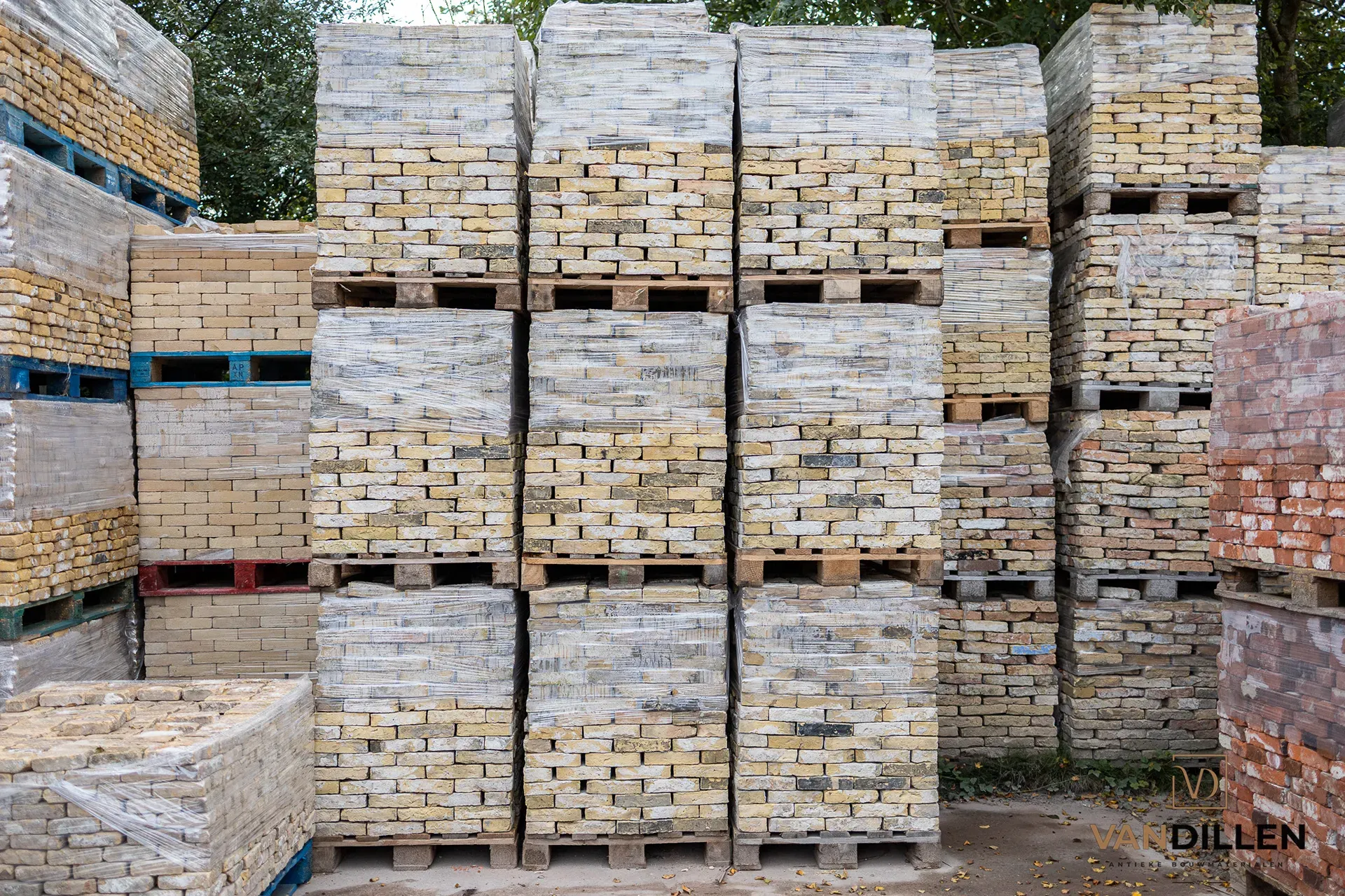
A brick, tile or door that is reused does not immediately need to be replaced by a newly manufactured product. The energy and raw materials originally invested in it are therefore put to use over a longer lifespan.
Materials that remain technically sound can sometimes serve for many more decades, or longer. Age alone does not mean a building material has reached the end of its useful life.
2. Less demand for new raw materials
New building materials require raw materials. For bricks, these include clay and the energy needed for production and firing. Reusing existing bricks can avoid some of that new production.
The same principle applies to timber, tiles and other reusable building materials: something that remains usable does not have to be manufactured again from raw materials for every application.
3. Less construction and demolition material becomes waste
Demolition and renovation release large quantities of material. When usable components are carefully dismantled, sorted and resold, they remain in the supply chain as products.
That is an important difference from crushing, burning or processing material into something of lower value. Reuse aims to preserve as much of the product’s original function and value as possible.
4. Reuse is part of circular construction
Circular construction includes keeping materials in use for longer and retaining more of their value. Direct reuse is a clear example: an old brick becomes a brick in another facade, and an old floor tile becomes part of another floor.
This preserves more of the original product than first processing it completely into a new raw material.
Are reclaimed bricks sustainable?
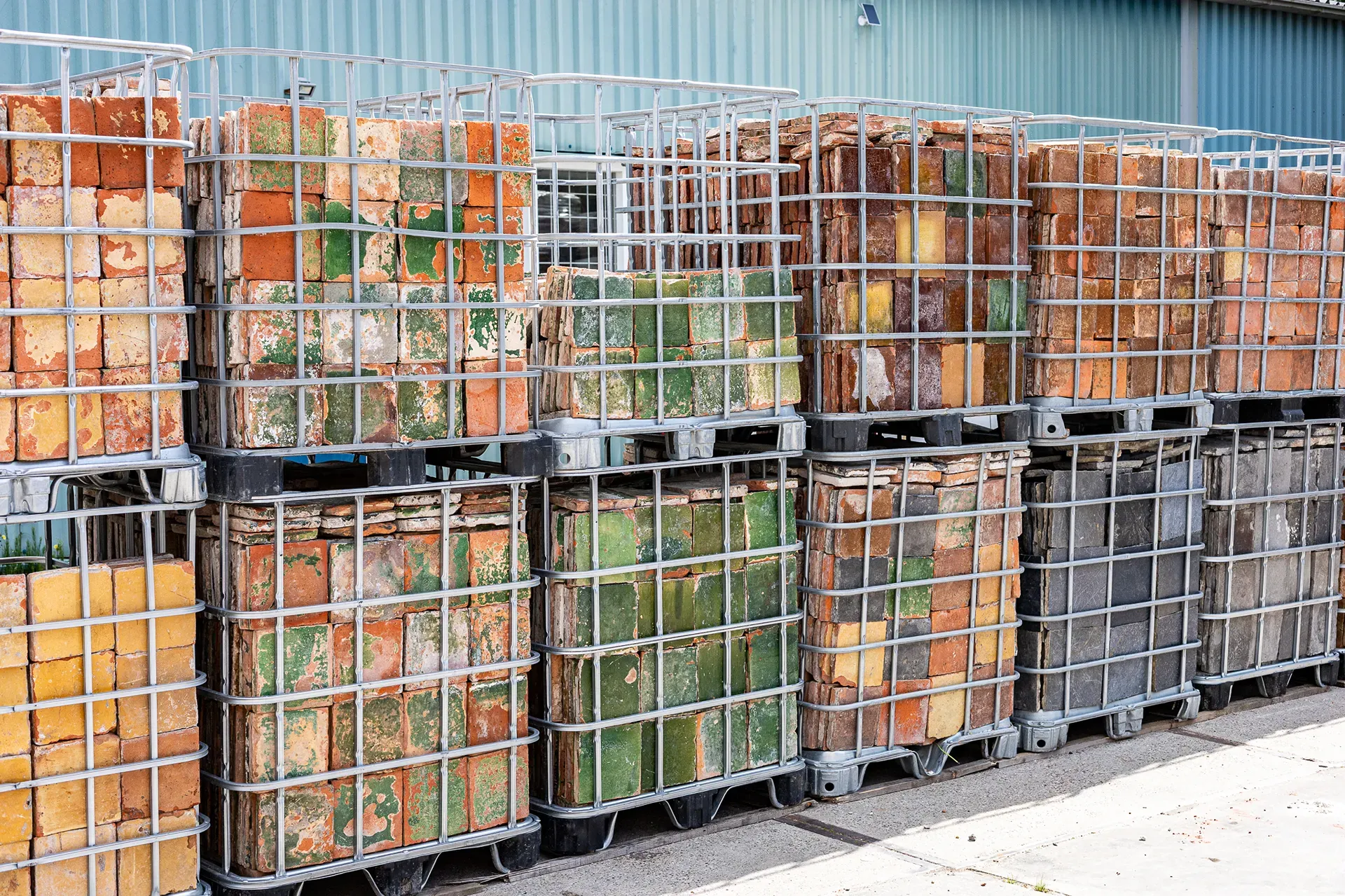
Reclaimed masonry bricks can be very suitable for reuse if they remain sufficiently intact during dismantling and are technically suitable for the new application. Old mortar usually needs to be removed and the bricks sorted before reuse.
This takes labour and sometimes energy, but a new brick does not need to be manufactured for the same purpose. The overall environmental balance depends on factors including processing, losses and transport.
Read more about preparing bricks for reuse in our article on cleaning mortar from reclaimed bricks.
Are reclaimed floor tiles sustainable?
Reclaimed floor tiles, such as terracotta floor tiles and traditional Dutch estrikken, can be laid again after careful removal. Particularly when the tiles remain intact, the existing product can be reused in almost exactly its original function.
This preserves not only the material but also its historical surface and patina. Reclaimed tiles therefore have both circular and aesthetic value.
Reusing old doors
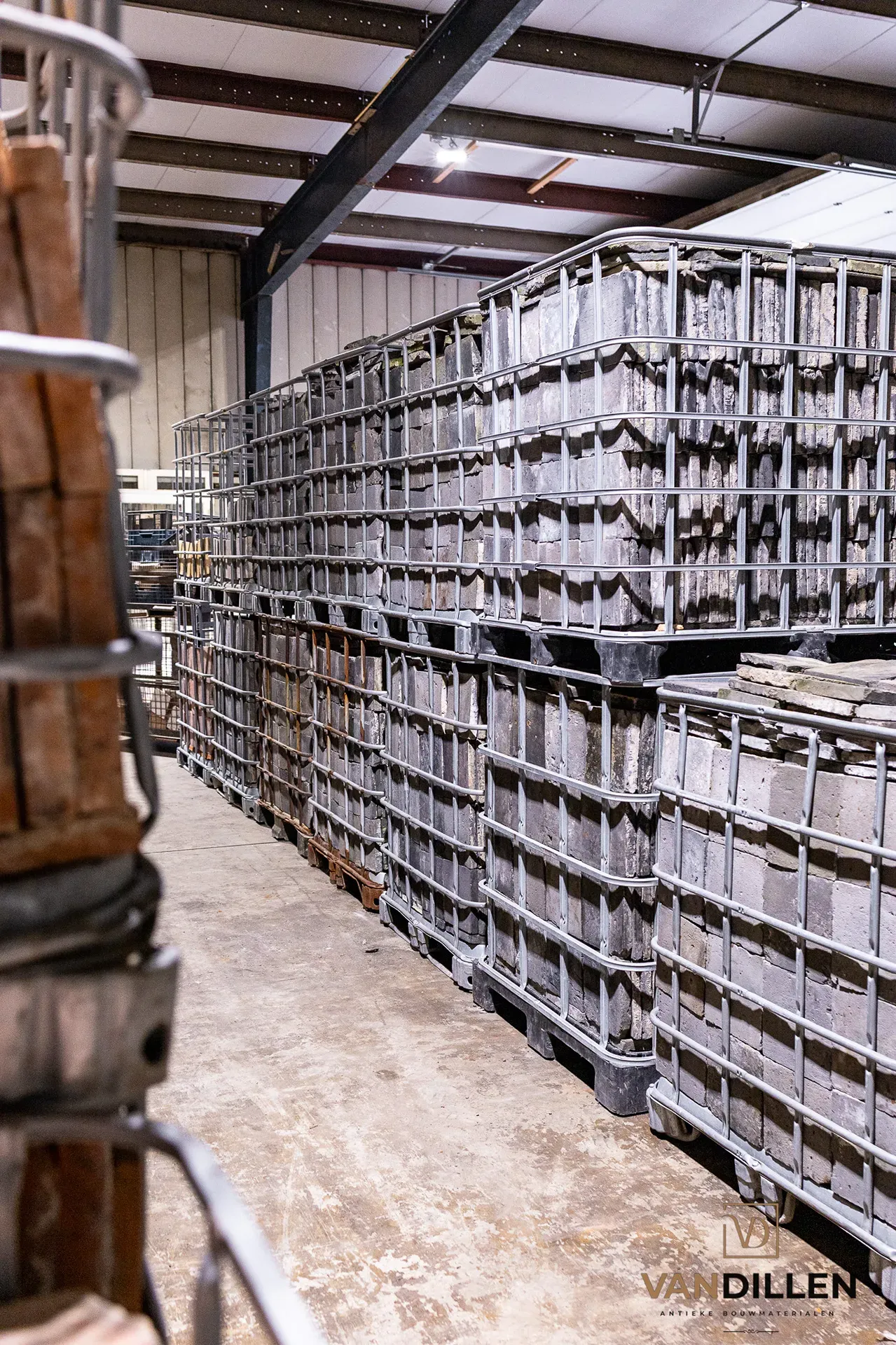
Reclaimed doors are another clear example of direct reuse. After inspection, any necessary restoration and adjustment, an existing panelled door or period dividing-door set can form part of an interior for decades more.
With timber products, reuse can also prevent a usable component from being discarded unnecessarily while new material is required for the same purpose.
But do transport and processing also have an impact?
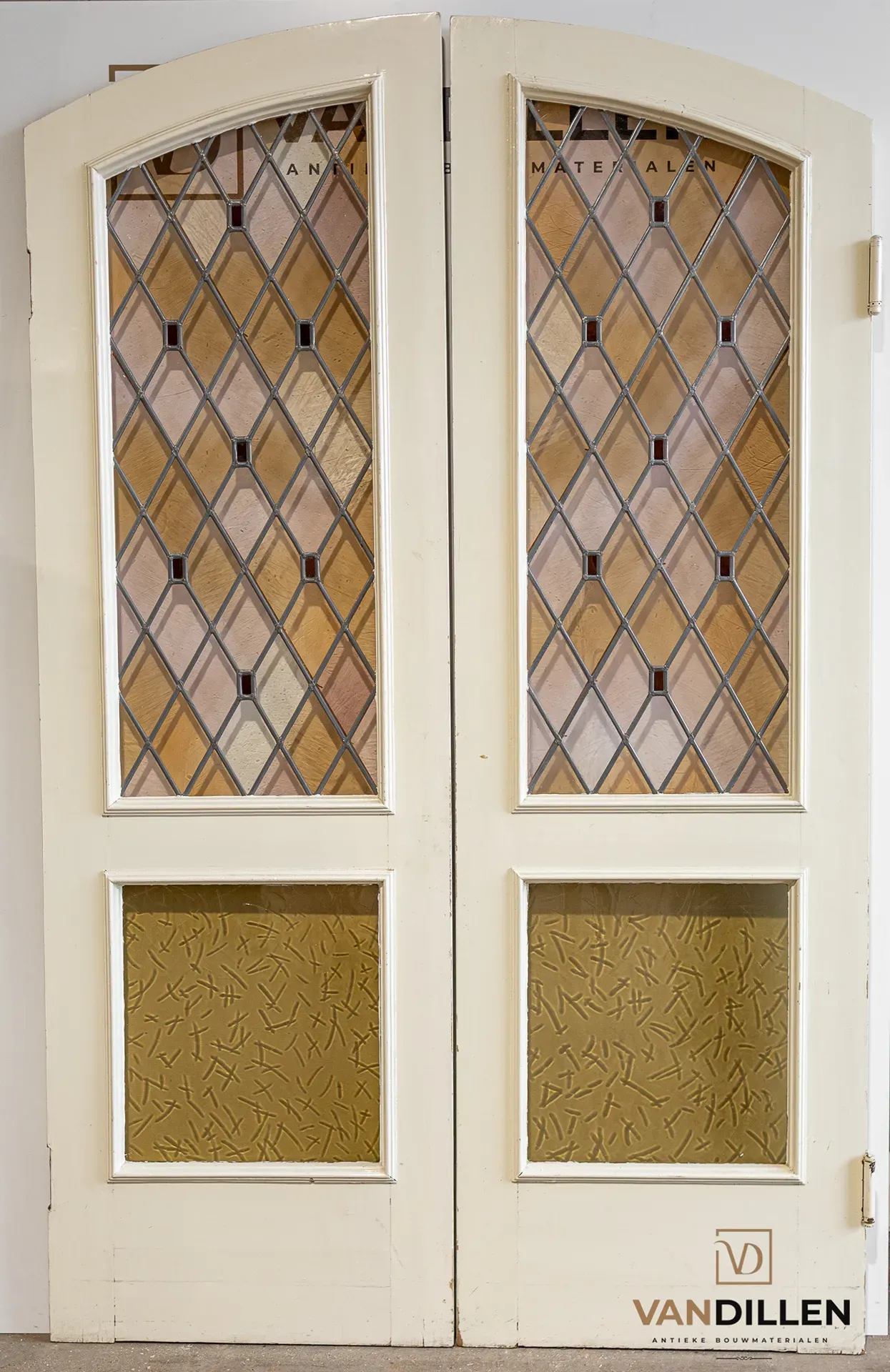
Certainly. Reuse is not impact-free. Materials need to be dismantled, transported, sorted, cleaned and sometimes restored. It is therefore too simplistic to say that every old building material is automatically more sustainable than every new alternative in every situation.
Distance, transport method, losses, necessary processing and the new alternative all influence the result. The main strength of reuse is that an existing product is used again and new production may be avoided.
Is local reuse particularly worthwhile?
Short transport distances can limit the impact of logistics. Regional reuse can also help return materials from a particular building tradition to similar buildings.
Distance is not the only consideration, however. A high-quality historical material with a long further useful life can still be an interesting choice when transported farther. A genuine environmental assessment needs to consider the whole situation.
Sustainability and character
Sustainability and appearance often go together with reclaimed building materials. For many projects, reuse is not solely an environmental decision: natural wear, historical dimensions and colour variation are precisely why existing materials are chosen.
For more about these broader benefits, read why buy old building materials?.
Reuse in renovation and new builds
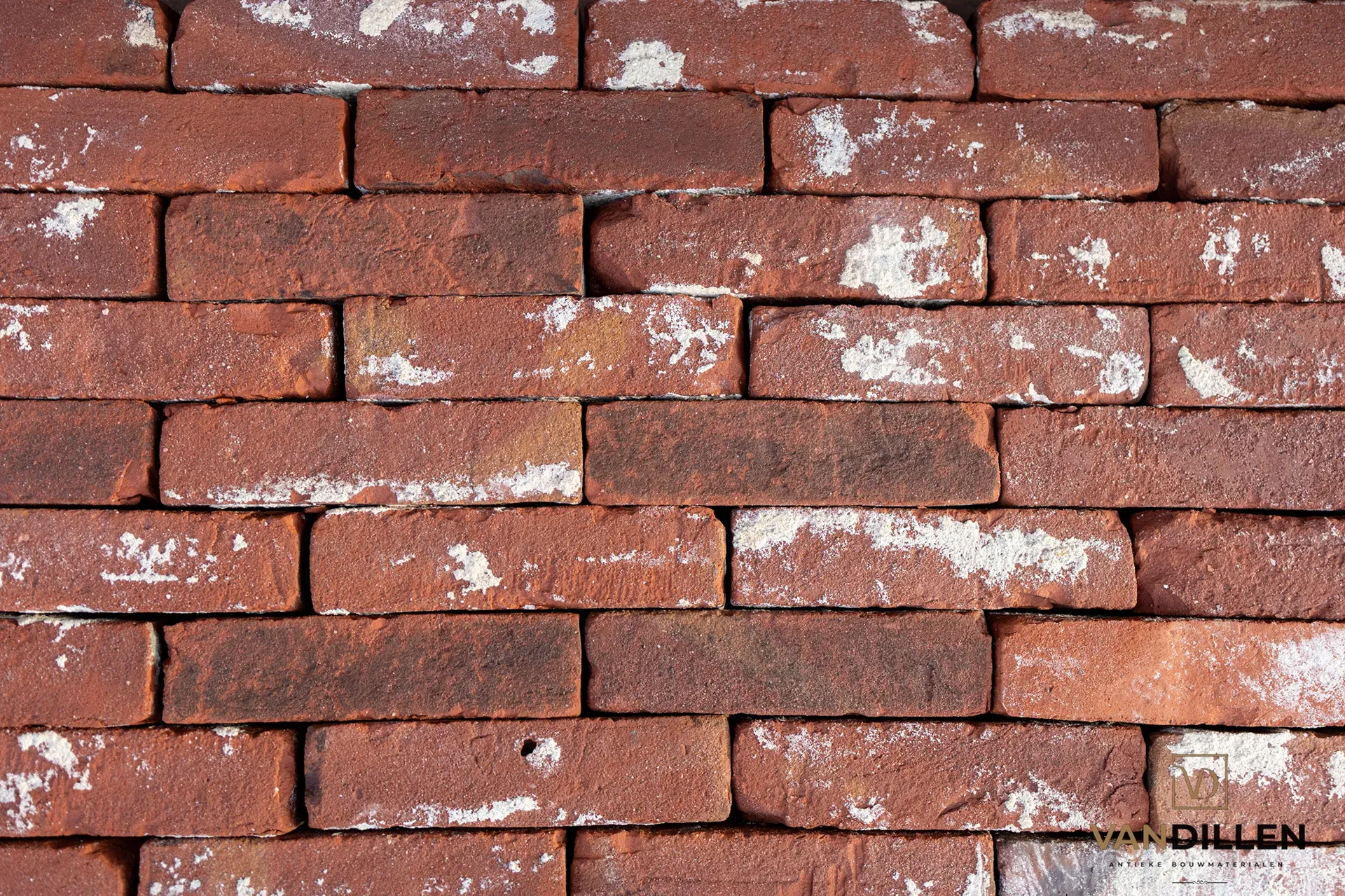
Old materials do not have to be used only in listed or historical buildings. They can also be incorporated when renovating with reclaimed building materials and even in new builds using antique building materials.
Existing material can therefore begin a new cycle of use in an entirely different building. Browse our projects for examples of historical materials being reused.
When is reuse a good choice?
Reuse makes particular sense when the material is technically suitable, available in sufficient quantity and can be used again without excessive processing. The batch must also meet the requirements of the new project.
Ultimately, a sustainable choice involves more than simply ‘old’ or ‘new’. Lifespan, reusability, transport, installation and maintenance all belong in the assessment.
Frequently asked questions about sustainable building materials
Are reused building materials always more sustainable than new ones?
Not automatically. Reuse often avoids new production and keeps existing material in circulation, but transport, processing, losses and the chosen new alternative also affect the total environmental impact.
Why is reuse circular?
Because an existing product is used again and stays in the material cycle longer. Direct reuse also preserves much of the original product’s value.
Can reclaimed bricks be used in a facade again?
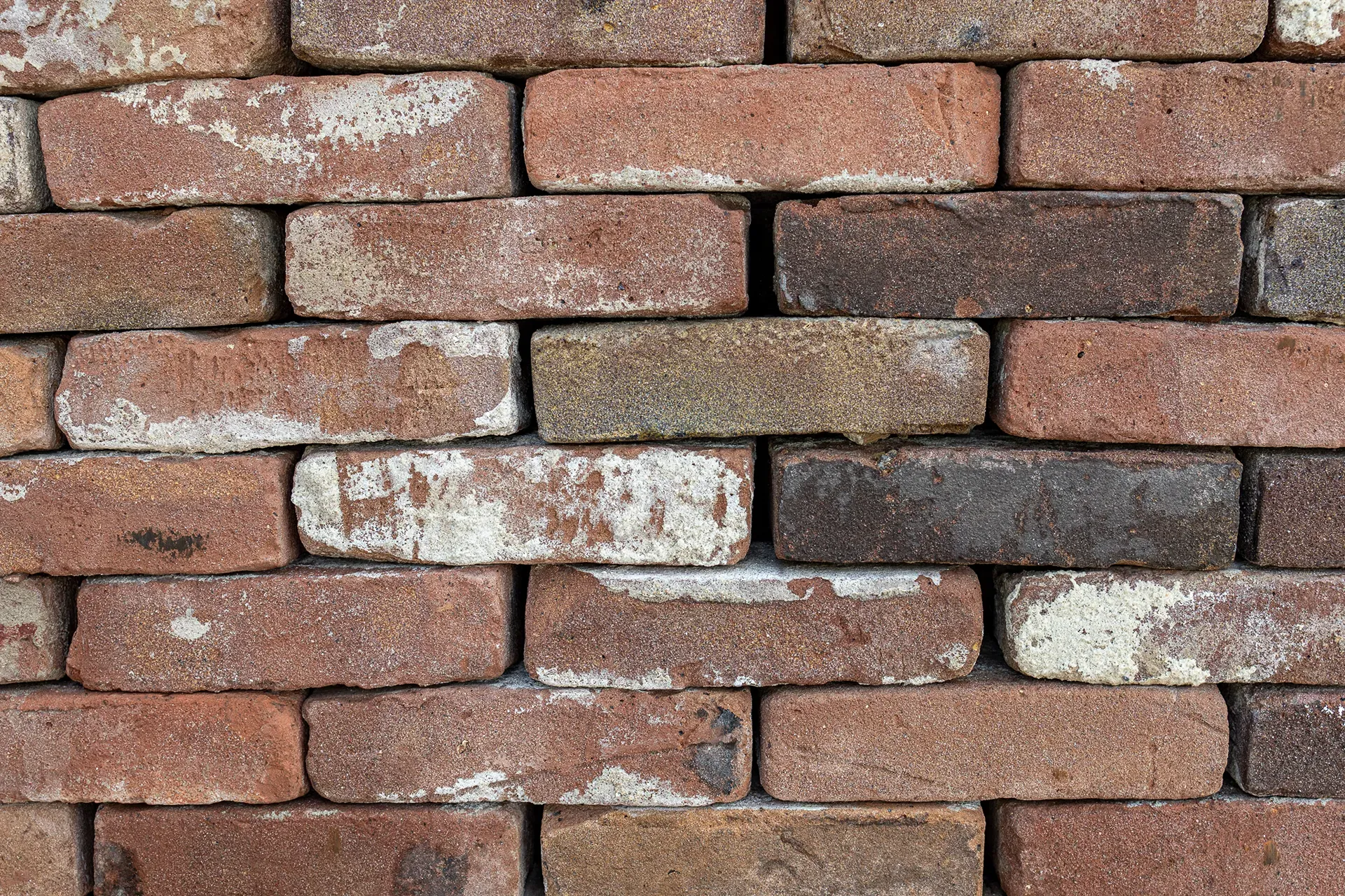
Yes, provided they are sufficiently intact and technically suitable for the new application. Old mortar generally needs to be removed, and the batch is sorted before the bricks are laid again.
Can reused materials also be used in new builds?
Yes. Reclaimed bricks, floor tiles, doors and other historical materials can be used in both existing buildings and new construction.