
Reclaimed versus new bricks: what are the differences?
Old and new bricks differ in appearance, dimensions, production and laying requirements. Explore the advantages and disadvantages and which brick suits your project.
What is the difference between old and new bricks?
Old and new bricks can both be excellent building materials, but they differ clearly in appearance, dimensional consistency, origins and laying requirements. Reclaimed masonry bricks often have variations in colour and size, a weathered surface and traces of their previous use. New bricks are produced with predetermined properties and much more consistent dimensions and appearance.
The best choice therefore does not simply depend on which brick is better, but on the desired facade appearance, the project’s technical requirements and how the bricks are laid.
How do old and new bricks differ in appearance?
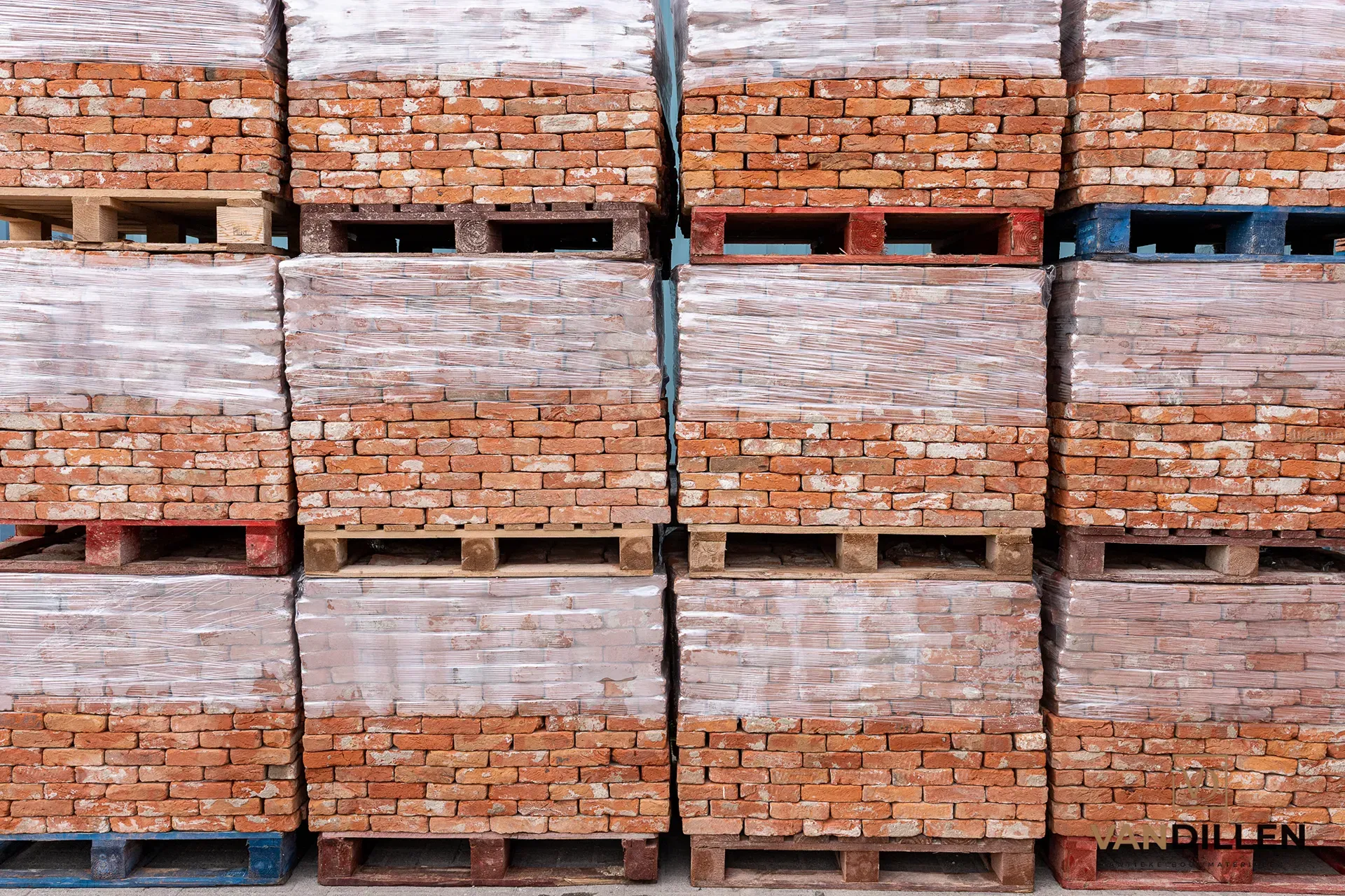
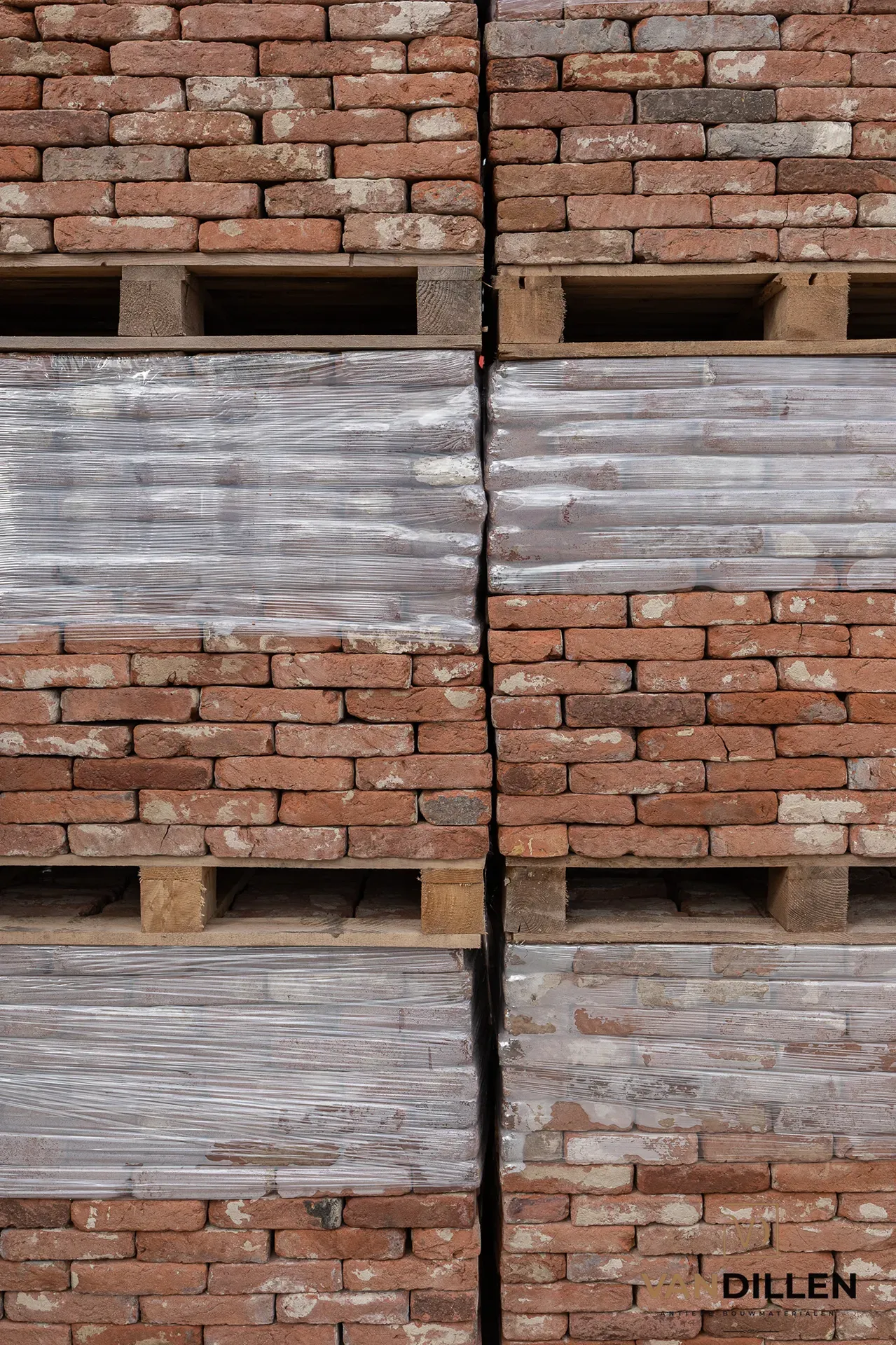
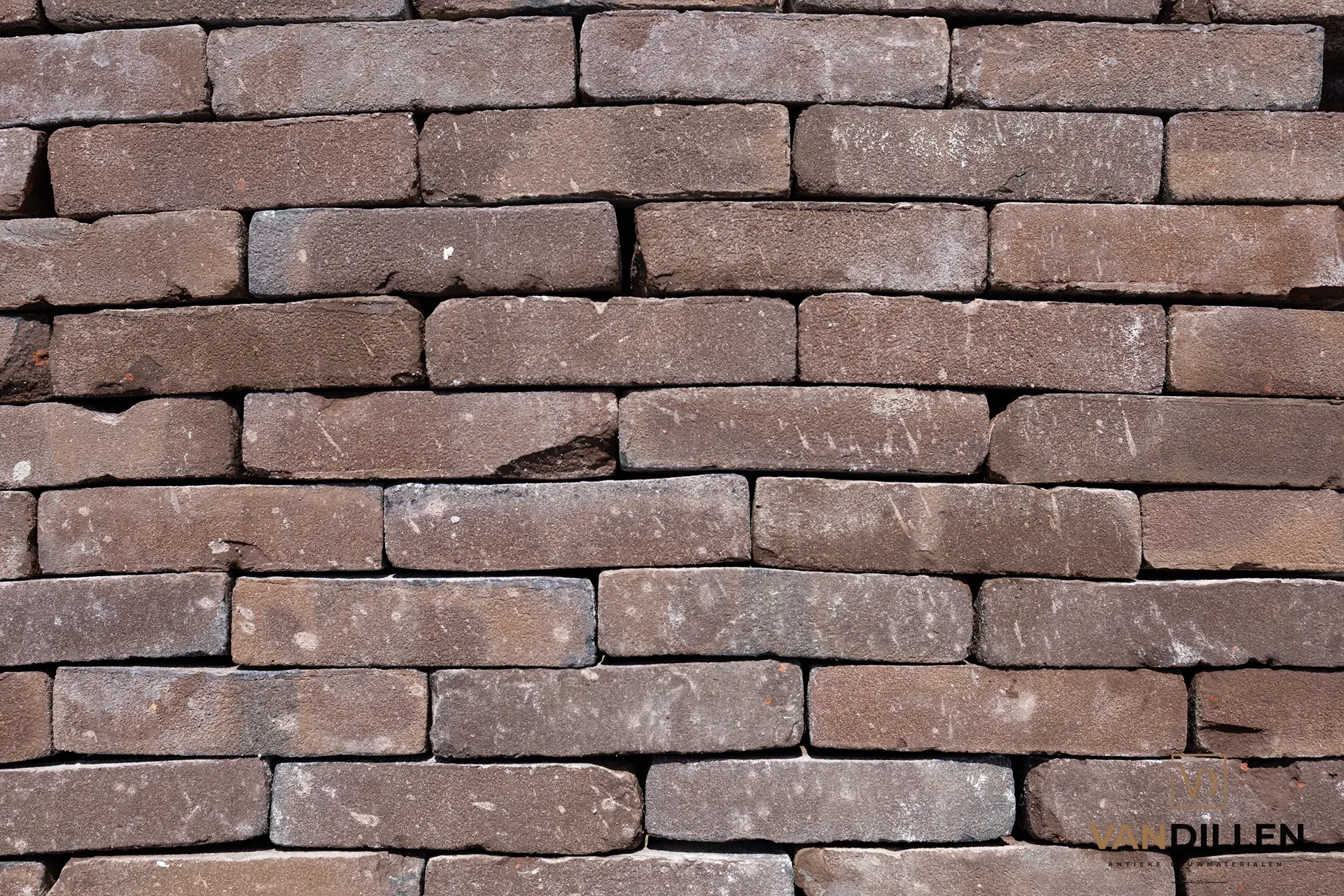
The biggest visible difference is variation. With old bricks, colour, texture, size and degree of firing may differ within one batch. These variations developed through both the original production process and years of use and weathering. This is precisely what often gives reclaimed-brick facades a lively, authentic character.
New facing bricks are generally much more uniform. Manufacturers can deliberately control colour, size, texture and technical properties. This makes new bricks well suited to architecture requiring a clean, predictable facade appearance.
If you want a home to look as though it has stood for much longer, reused bricks can achieve a result that is difficult to reproduce exactly. Browse our projects with reclaimed building materials to see how different batches look in new builds and restoration.
Are old bricks always handmade?
No. This is an important distinction. Not every old brick is handmade. Historical buildings contain old handmade bricks, old moulded bricks and other machine-made bricks.
A brick’s age does not automatically tell you how it was produced. When assessing a batch, consider size, surface, shape, colour, firing method and origins. Our guide to types of old bricks explains the different types in more detail.
Do old and new bricks differ in quality?
Old does not automatically mean better, and new does not automatically mean stronger. Modern bricks are made using contemporary production processes and can be supplied with specified technical properties. With reclaimed bricks, properties can vary considerably more from batch to batch.
At the same time, many old bricks have already served in a facade for decades or longer. A sound batch may therefore be very suitable for reuse, provided the bricks are carefully selected and suit the application. Damaged, insufficiently hard or otherwise unsuitable bricks should not be laid again as sound facing bricks.
For projects with particular structural, frost, moisture or other technical requirements, the necessary performance must always be assessed. Appearance or age alone is not sufficient.
Dimensions: old bricks require more attention
New bricks generally have consistent dimensions. With reclaimed batches, length, width and height can vary more. The extent of those differences depends heavily on the type and batch.
This does not mean that a reclaimed-brick facade has to look untidy. An experienced bricklayer can use sorting, colour distribution, joint width and brick bond to create a balanced whole while keeping the natural variation visible. Read about historical formats in our guide to brick dimensions.
When ordering, it is therefore sensible to consider not just the number of bricks, but also the size, desired bond and number of bricks per square metre.
Sustainability: reuse versus new production
The main circular-building benefit of old bricks is that an existing material is used again. It stays in use for longer, without a completely new production process being needed for that reused brick.
The actual environmental benefit varies by situation. Dismantling, mortar removal, sorting and transport also require energy and labour. We therefore avoid general percentages that claim to apply to every batch. Read more in why reused building materials are sustainable.
Are old bricks more expensive than new ones?
This varies considerably. Both new and old bricks come in a range of prices. For reclaimed bricks, factors include scarcity, size, sorting, quality, quantity, origins and the work required for dismantling, mortar removal and sorting.
A distinctive historical brick can cost more than a common new facing brick, while other large reclaimed batches can be competitively priced. Compare not only the price per brick, but also the number per square metre and the appearance you want. Our article what do reclaimed bricks cost? explains pricing in more detail.
When should you choose reclaimed bricks?
Reclaimed bricks are particularly appealing when character, matching existing masonry or a historical facade appearance matters. Examples include restoration, extensions to older homes, garden walls and new builds with reclaimed building materials.
Old bricks can also be used as a deliberate contrast in modern architecture. They are not limited to traditional homes: the choice ultimately depends on the design and the right batch.
When are new bricks a logical choice?
New bricks are often practical when highly consistent dimensions, precisely reproducible colours or particular documented technical performance are central requirements. A new facing brick may also be the most logical choice for a clean, uniform design.
Choosing between old and new is therefore not a contest in absolute quality. Each has its strengths.
Old or new bricks: which suits your project?
If you want a clean, predictable facade with very uniform bricks, new bricks are often the obvious choice. If you are looking for variation, patina and a facade with character from day one, reclaimed bricks are worth considering.
Browse our current reclaimed masonry brick collection to compare sizes, colours and types. If you are preparing to use them, read our practical guide to laying reclaimed bricks too.
Frequently asked questions about old and new bricks
Are old bricks stronger than new bricks?
Not necessarily. Quality and technical properties vary between individual bricks and batches. Many old bricks have served in a facade for a long time, but their suitability for a new application still needs to be assessed.
Why do old bricks vary more in colour?
This results from differences in raw materials, historical production and firing, combined with use and weathering. Natural colour variations can therefore occur within one batch.
Can reclaimed bricks be used in new builds?
Yes. Old bricks are widely used to give new builds an authentic or weathered appearance. The batch must of course be suitable for the intended application and laid correctly.
Are reclaimed bricks more sustainable?
Reuse keeps an existing material from being discarded immediately and extends its useful life. The precise environmental benefit depends on processing and transport, among other factors, so one fixed saving percentage does not apply to every batch.